Learn How To Read Arabic in 24 hours or less

Tag: charity

Gifting Reward of Your Actions to Others

AbdulWausay asks about gifting reward of actions to others:

Just like we can give charity on behalf of our parents; is it possible to give charity or go on hajj with the intention of doing it on the behalf of a friend or anyone who isn’t your parent?

Answer:

When we look to discussions in the tradition about gifting the reward of one’s actions to others, we find a variance of opinion. A minority (labeled by some as innovators) denied any type of benefit. This opinion is an erroneous, due to it contradicting clear texts.

Amongst the Fuqaha, there are two opinions. Some scholars (namely the Malikis and Shafis) differentiated between verbal, physical, and financial acts, pronouncing some acts as beneficial when gifted to another, and others not.

Perhaps the more predominate of the two opinions of the Fuqaha (that of the Hanafi and Hanbali schools) is that any action you perform with the intention of gifting the reward to that person, any person, will benefit them (whether they are alive or dead).
This is evidenced by numerous hadith in which the Sahabah asked the Messenger about performing acts (Hajj, Sadaqah, Sawm, etc) on behalf of other people and he permitted them.

Additionally, He – Alaihi al-Salam- mentioned that “When one of you dies his actions are cut off, except for three…” meaning his statements and physical actions are no longer existent, but that the reward from others actions carried on because of you are continuous “… perpetual charity, or beneficial knowledge, or a righteous child supplicating for you.”

For the living, if a group of people share in a sacrificial animal, yet only one of them physically sacrifices it, they will all be rewarded. For Udhiyyah, the Messenger sacrificed two large rams, the first saying at sacrfice “This is for Muhammad and the family of Muhammad” and for the second “This is for the Ummah of Muhammad.” Narrated by Ahmad in the Musnad.

So in short, gifting the reward of any good deed you do with the intention of benefiting someone else will benefit them. However, if you have not made Hajj for yourself, you must make Hajj for yourself first, then you can make Hajj for anyone else you wish.
And Allah knows best.

Can I give Zakat to several people?

Question: Can I give Zakat to several people?

Answer: You can give all of your zakat to one person as long as he/she is eligible. You may also divide up your zakat and pay it to several people, as long as they are eligible under one of the eight categories.

For example: You have 300 USD to give as Zakat, you can give 300 to one person or divide it up amongst a group of people from one category, 5 debtors for example, each getting 60 USD each. You can also divide it up amongst eligible people of several categories, i.e. 1 poor person, 1 debtor, 1 refugee, 1 new muslim, etc.

And Allah knows best.

Do I have to pay Zakat on my car and home?

Question: Do I have to pay Zakat on my car and home?

Answer: You do not have to pay Zakat on any personal effects you own. By personal, I mean anything used primarily by yourself and your family for your general welfare and quality of life.

If you own a car or home for investment and/or resale then you pay 2.5% on the market price after having possessed it for one year. If you own a car or home and lease it to others, then you pay 2.5% on the revenue earned not the asset’study market price.

And Allah knows best.

Natural disasters: How do Muslims view them?

Becoming Conduits of divine mercy

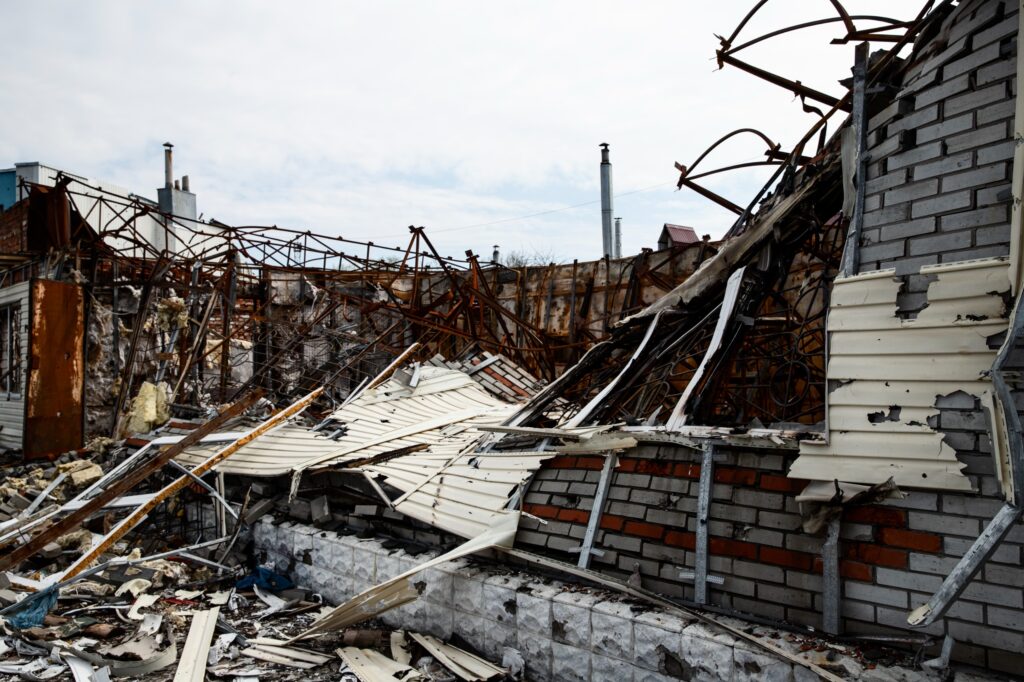
Natural disasters are seen as realizations of God’s power, mercy, and wisdom. His power is realized through the sending of natural disasters against those that have violated God’s divine moral law. His mercy is realized two-fold. Those that are affected and lose their lives are given the reward of a martyr. Those that left behind are to viewed as opportunities for mankind to be conduits of God’s mercy through humanitarian aid and rebuilding efforts.

God’s wisdom is realized when both his power and mercy are exercised at the same time. When those affected are the people who have long usurped worldly power and transgressed against the less fortunate, God’s power is realized in cutting their transgression short. The less fortunate are blessed to escape toil, worldly pain and subjugation by others. This too is a mercy. While toil and pain may continue at times, this can be a cause for greater reward in the next life. Natural disasters should not be seen as a punishment from God sent against the less fortunate.

Natural Disasters: Mercy and Punishment?

The culmination of the two is what is at times puzzling to man. With our limited comprehension and knowledge we cannot always see the wisdom of God in sending natural disasters. It is difficult to see how this one event can be both a mercy and punishment at one and the same time.

The question is what should we as believers in that divine wisdom do? The Prophet Muhammad taught that in every living thing, there is an opportunity to give charity. Sacred texts dealing with feeding the indigent, caring for the needy, and taking care of the sick all encompass both specific acts of charity and aid. These texts encompass broader acts such as humanitarian aid as well. Natural disasters are opportunities to realize the divine mandate to become vehicles of mercy. “The merciful, the Merciful Benefactor will show them mercy; show mercy to those on earth, He above the heavens will show you mercy.”

Purification of Wealth – A 3-Day Interactive Workshop on Zakah

This July 30th to August 1st, myself and a few friends will be meeting to review the topic of zakat, covering all the essentials that one would need to perform this important act of worship and vital public service.

The class has been divided into 3 units, each concentrating on a different aspect of Zakat.

-          On day one, we’ll cover the reasons why we pay zakat and some of the etiquette involved. Then we’ll take a trip through the Historical Development of Zakat laws, touching on a few issues that will make a difference in how to understand the collection, distribution, and management of zakat. We’ll cover the virtues of charity and the responsibility of  Wealth, and how does that responsibility translate into giving Zakat and Charity?

-          On day two we’ll go over the Essential rules and concepts behind Zakat, covering the major areas that are relevant to both classical Zakat rulings and our social context at home.  Most importantly, we’ll cover the reasoning behind all of these questions, the primary evidence for them from the Quran and Sunnah, and establish principles for applying these concepts. Like day one, we’ll end with a review of the material.

-          On day three we’ll cover Advanced topics in Zakat, applying what we learned in days one and two as well as covering some additional topics relevant to our daily lives.

  • The personal and organizational management of zakat.
  • Do my student loans effect my liability for zakat?
  • What if I am paying a mortgage?
  • Do I have to pay zakat on my Roth IRA or my 401k plan?
  • I’ve loaned someone money, do I pay Zakat on that amount as well?
  • What about…
    • …Stocks, bonds, and mutual funds?
    • … insurance payments?
    • …political donations?
    • … gifts I give to friends and family I make dawah to?
  • How does zakat relate to paying taxes?
  • Can someone else manage the payment of my zakat?
  • Can an organization that manages zakat invest it for the poor, etc?

Along with this, we’ll discuss how Zakat helps not only to eradicate poverty, but how it can improve the social, medical, and educational well-being of our communities.

Lastly, given the closeness of Ramadan, we’ll cover the important topic of Zakat al-Fitr.

I hope to see all of you there this July 30th to August 1st.